Showing posts with label Jewish organ donation. Show all posts

Thursday, May 26, 2011

Jewish man honors 13-year-old liver with Bar Mitzvah celebration

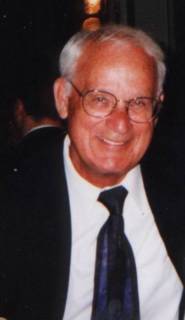
Toronto professor Dr. Frank Bialystok marks the day he received a liver transplant as a second birthday.

By Riva Gold Jewish World
When a Jewish boy turns 13, he enters manhood. But what happens when a Jewish man's internal organs turn 13?

Frank Bialystok, 64, decided to honor his 13-year-old transplanted liver with a bar mitzvah ceremony, the first of its kind in the world.


Frank Bialystok, 64, and his family celebrate the bar mitzvah of his transplanted liver on April 16, 2011
Photo: Riva Gold


Standing before a packed congregation at the Darchei Noam Reconstructionist synagogue in Toronto, Bialystok described himself as "a representative of my transplant brothers and sisters, but also as a fortunate and humble man who was given the gift of life when so many have died in Canada waiting for a healthy replacement organ."

“My pre-owned liver and I are privileged to be here with you as we undertake this symbolic rite of passage,” he said, before reading from the Torah.

A professor at the University of Toronto, Dr. Bialystok related the week’s Torah portion, “Acharei Mot” or “After Death,” to his own experiences as the only child of Polish Jews who survived World War II in the Soviet Union.

Bialystok was born in Poland in 1946, where he and his father unknowingly contracted Hepatitis from the unsanitary conditions surrounding their smallpox vaccinations.

“The tragic irony of our lives is that both of us had Hepatitis, but neither of us knew this,” he explained. His father would die of the condition in 1969.

After discovering he had Hepatitis C, Bialystok underwent a successful liver transplant, and has since celebrated his transplant anniversary as that of a second birthday.

Five years after his successful operation, Frank’s daughter came up with the idea for the bar mitzvah.

At the ceremony, Dr. Bialystok described the experience as overwhelming. “What I'm experiencing today is these marvelous connections: between the Jewish people and the Torah; from the birth of Israel three thousand years ago and its rebirth in our time; […] and my birth in Poland and my re-birth in Toronto,” he said.

The renowned professor is hopeful that more Canadians will be encouraged to sign their organ donor cards as result of his “re-Bar Mitzvah.”

Darchei Noam’s rabbi, Tina Grimberg, urged the congregation to take heed of Dr. Bialystok’s message in an impassioned speech. “There is an unfortunate misconception that Jews are not supposed to donate organs,” she explained. “But I stand on the shoulders of many great and venerable rabbis when I argue that there is no contradiction between Jewish law and organ donation,” she said. “It’s a mitzvah.”

Rabbi Grimberg stressed that organ donation is consistent with Jewish values and does not contradict the controversial passage in Ezekiel that has been cited by some as evidence against organ and tissue donation.

“We’re incredibly lucky to be part of a generation that, thanks to organ donation, can live on after death,” she said. “This is something we owe to ourselves, to our communities and to humanity.”

England’s venerated Chief Rabbi Jonathan Sacks issued a similar message about organ donation in the Jewish Chronicle in January. “Saving a life is a fundamental imperative in Judaism and, if we can do so without endangering our own lives, we should,” he wrote. “Even those who do not accept brain-stem death would still be able to donate organs in 70 percent of cases,” he wrote, concluding that “I will myself, and will encourage others to do so.”

Dr. Bialystok celebrated his “re-bar mitzvah” on April 16, the day before the start of Canada’s National Organ and Tissue Donation Awareness Week. In the same service, his third grandchild, three-week-old Rebecca, was introduced to the synagogue for her official baby-naming.

Rabbi Grimberg told the congregation that she had a hard time coming up with the appropriate blessings to bestow on the unusual bar-mitzvah subject. “We normally wish our bar mitzvah boy a good education and a nice family,” she joked, “But our bar mitzvah boy has a PhD and three grandchildren.”

In addition to his work with the Canadian Liver Foundation and the Hepatitis C Research and Training Program, Professor Bialystok is a Chair of the Canadian Jewish Congress, a founding member of the Polish-Jewish Heritage Foundation of Canada, and an active participant in several anti-racism organizations. He has been awarded the Tannenbaum Prize in Canadian Jewish History and the Cavalier’s Cross of the Order of Poland.

“And all this before his bar mitzvah,” a congregant teased.

“You Have the Power to Save Lives – Register to be an organ and tissue donor & Tell Your Loved Ones of Your Decision”
Register to be a donor in Ontario at beadonor.ca
For other Canadian provinces click here
In the United States, be sure to find out how to register in your state at organdonor.gov (Go to top right to select your state)
In Great Britain, register at NHS Organ Donor Register
In Australia, register at Australian Organ Donor Register
Your generosity can save or enhance the lives of up to fifty people with heart, kidneys, liver, lungs, pancreas and small intestine transplants (see allotransplantation). One tissue donor can help by donating skin, corneas, bone, tendon, ligaments and heart valves

Has your life been saved by an organ transplant? "Pay it forward" and help spread the word about the need for organ donation - In the U.S. another person is added to the national transplant waiting list every 11 minutes and 18 people die each day waiting for an organ or tissue transplant. Organs can save lives, corneas renew vision, and tissue may help to restore someone's ability to walk, run or move freely without pain. Life Begins with You

Thursday, April 07, 2011

Family discovers bittersweet value of organ donation

Terry, Emily and Heather Talbot hold photograph of Jonathan, some of whose organs helped to save the lives of at least four recipients.

By Cheronne Thurab The Toronto Observer

On March18, 2009, when her 22-year-old son died following a car accident, Heather Talbot was approached by the Trillium Gift of Life Network about donating her son’s organs. She was shocked by the experience.

“I had never ever thought about (organ donation) before,” Heather Talbot said. “But our daughter Emily said that he wanted to do that … because they had talked about it.”

Talbot was undecided about organ donation principally because of her religion. When she expressed this concern, Sunnybrook Hospital introduced her to a rabbi who assured her that this deed was OK because it would save a life. With his approval and assurance about the number of lives that could be saved, Heather and Terry Talbot made arrangements for their son Jonathan’s kidneys, liver and lungs to be donated to four of the 1,500 people on Ontario’s transplant waiting list.

“This is something good that happened for four people out of something tragic that happened to me,” she said. “It’s sad that we had to lose our son for these people to continue their lives, but at least that came out of it.”

Nicole Poos, volunteer services advisor at the Trillium Gift of Life Network, says organ donation can be unnerving to some families, especially when they haven’t discussed it previously. The organization helps recipients correspond with donor families through anonymous letters. Poos says this process reinforces the good nature of the family’s decision. Families say the letters help with the loss by allowing the recipients to express their gratitude.

“I just bawl my eyes out every time I get one of those cards but I’m very happy to receive them,” Talbot said. “It reassures me that I made the right decision.”

On March 26, Jonathan Talbot’s friends and family gathered to honor his memory and raise awareness of organ donation. The event invited both donor families and transplant recipients to celebrate the gift of life.

Kimberly Stahlbaum is the recipient of two separate liver transplants in 1992 and 1996. She says an organ transplant is more of a treatment than a cure for those who suffer from more than one medical ailment, but it gives life and hope to people who feel they’re about to lose both.

“It does certainly give back life because I wouldn’t be alive,” Stahlbaum said. “I was in the hospital with my funeral arrangements and my will made knowing I wasn’t coming home unless I got an organ.”

Stahlbaum believes it’s important to hold events that allow donor families to remember their loved-ones and see recipients enjoying the gift of life.

“It brings back the family and friends and they know that something good came out of their loved-one’s life,” she said. “It’s very rewarding for the family and friends to have (transplant) recipients here to show the success in other stories.”

“You Have the Power to Save Lives – Register to be an organ and tissue donor & Tell Your Loved Ones of Your Decision”
Register to be a donor in Ontario at Trillium Gift of Life Network NEW for Ontario: recycleMe.org - Learn The Ins & Outs Of Organ And Tissue Donation. Register Today!
For other Canadian provinces click here
In the United States, be sure to find out how to register in your state at ShareYourLife.org or Download Donor Cards from OrganDonor.Gov
In Great Britain, register at NHS Organ Donor Register
In Australia, register at Australian Organ Donor Register
Your generosity can save or enhance the lives of up to fifty people with heart, kidneys, liver, lungs, pancreas and small intestine transplants (see allotransplantation). One tissue donor can help by donating skin, corneas, bone, tendon, ligaments and heart valves

Has your life been saved by an organ transplant? "Pay it forward" and help spread the word about the need for organ donation - In the U.S. another person is added to the national transplant waiting list every 11 minutes and 18 people die each day waiting for an organ or tissue transplant. Organs can save lives, corneas renew vision, and tissue may help to restore someone's ability to walk, run or move freely without pain. Life Begins with You

Saturday, June 05, 2010

Saving a life by organ donation trumps Jewish dogma

The principle of saving a life is paramount in Jewish law – so why are ultra-orthodox Jews still opposed to organ donation?

By Seth Freedman guardian.co.uk

Supporters of a new initiative encouraging organ donation in the Jewish community face an uphill task convincing certain groups that the practice is compatible with religious law. Even though the ultimate mitzvah (commandment) in Judaism is saving another's life, there is still resistance when it comes to donating organs for just such a cause.

According to the misinterpretations of many ultra-orthodox leaders, a person must be buried intact so as to be in full working order when the Messiah comes to revive the dead. Due to the sanctity of every individual's body – which is viewed as simply a receptacle for the God-given neshama (soul) – it is forbidden to desecrate a body, whether living or dead, either with superficially, as with tattoos, or by more extreme actions such as cremation.

The issue of organ donation has divided the Jewish community for generations. Despite an apparent softening in the approach of many ultra-orthodox rabbis to the subject, there are still vast swaths of the Jewish public who are vehemently opposed to it – to the point that many Haredim carry anti-organ-donor cards expressly forbidding the removal of their organs under any circumstances.

Of course, those same people have no problem receiving organs from other donors, displaying the kind of hypocrisy that earns the Haredi community such opprobrium from their Jewish peers both in Israel and abroad. Their all-take, no-give approach over organ transplants is reminiscent of their refusal to serve in the IDF, despite their expectation that others put their lives on the line to defend Israel's citizens and protect their freedom.

Even those rabbis who have come round to approving organ donation in emergency cases draw the line at direct person-to-person transplants, and refuse to permit organs to be donated to organ banks or used for medical research. Such a stance, while an improvement on previous positions, still falls well short of an acceptable level of interaction with the rest of society.

In effect, future patients are being condemned to suffer for the sake of outdated religious statutes incompatible with advanced medicine. Just as other areas of Jewish law have been updated to accommodate a rapidly changing world, so too must the legislation surrounding death and bodily purity.

The dictum that ought to supersede all other pronouncements on the subject is both simple and unequivocal: "One who saves a single life – it is as if he saved an entire world." Such a ruling ties in with the concept of pikuach nefesh (the saving of human life), a rule that permits all manner of "rule-bending" in its honour, including transgression of shabbat laws and the rules surrounding kashrut. Ambulances may be called for on the sabbath or religious holidays; non-kosher food may be consumed if there is no other option to prevent a person starving.

Pikuach nefesh is invoked in a wealth of "real world" situations such as the Gilad Shalit stand-off in Gaza, with Jewish law playing a large part in the decision-making process of military leaders and politicians when it comes to swapping hundreds of prisoners to secure one man's release from captivity. Given pikuach nefesh's superiority over other commandments, the issue of organ donation ought to be entirely black and white, yet the signs are that the Haredi community are as intransigent as ever in their opposition to the practice.

Superstitious beliefs and dogmatic adherence to religious laws are notoriously impervious to change, but the efforts of the Halachic Organ Donor Society and other similar organisations have the potential to make valuable inroads into ultra-orthodox society. Despite all the prevarication on the part of various rabbinic leaders, Judaism cannot allow archaic thinking to overrule the holiest commandment of all.

“You Have the Power to Save Lives – Register to be an organ and tissue donor & Tell Your Loved Ones of Your Decision”
Register to be a donor in Ontario or Download Donor Cards from Trillium Gift of Life Network. NEW for Ontario: recycleMe.org - Learn The Ins & Outs Of Organ And Tissue Donation. Register Today! For other Canadian provinces click here
In the United States, be sure to find out how to register in your state at ShareYourLife.org or Download Donor Cards from OrganDonor.Gov
In Great Britain, register at NHS Organ Donor Register
In Australia, register at Australian Organ Donor Register
Your generosity can save up to eight lives with heart, kidneys, liver, lungs, pancreas and small intestine transplants (see allotransplantation). One tissue donor can help 75 to 100 other people by donating skin, corneas, bone, tendon, ligaments and heart valves

Has your life been saved by an organ transplant? "Pay it forward" and help spread the word about the need for organ donation - In the U.S. another person is added to the national transplant waiting list every 11 minutes and 18 people die each day waiting for an organ or tissue transplant. Organs can save lives, corneas renew vision, and tissue may help to restore someone's ability to walk, run or move freely without pain. Life Begins with You

Friday, November 13, 2009

Israel denies transplants following brain death

Rabbis' dismay as transplant rules change

A lung transplant operation in Jerusalem. Rabbis disagree over what constitutes the moment of death, and when transplants can go ahead

By Anshel Pfeffer, The Jewish Community Online

Deputy Health Minister Yaakov Litzman has dismayed the Israeli medical community and many rabbis by announcing that organ transplants are to be allowed only after the donor’s heart has stopped beating.

His decision contradicted a recent agreement between rabbis and doctors that said that transplants could be carried out following brain death.

Mr Litzman, of the United Torah Judaism party, made his position clear in a letter to a medical conference last week.

In the absence of a health minister in the Israeli cabinet, he is the de-facto head of Israel’s health establishment and has the power to withhold financing from hospitals and medical centers operating against his wishes.

The issue of organ transplants has long been a source of contention between rabbis and doctors. The mainstream medical opinion is that once the brain ceases to function, death can be declared, a position disputed by a number of leading rabbis who view cutting off life-support and removing vital organs while the heart is still beating as murder.

Over two decades of patient negotiations, doctors in Israel managed to win a large number of rabbis over to their position. However, an official rabbinical recognition of brain death as the point at which a transplant can be carried out was denied, since the doctors refused to have rabbis included in the process of pronouncing death before a transplant operation.

Still, many rabbis have privately endorsed transplants and encouraged religious Israelis to carry donor cards. Last year, the Knesset passed the Organ Transplant Law, which necessitates a ruling by two senior doctors who are not involved in transplants on the death of a potential donor. Following the legislation, the council of the Chief Rabbinate voted three months ago that brain death did indeed constitute the moment of death.

Despite the council’s ruling, a number of senior strictly-Orthodox rabbis, including the leading authority Rabbi Yosef Shalom Elyashiv, have remained true to their old position, which was echoed by Mr Litzman in his letter.

The letter caused an uproar in the medical community and calls for Mr Litzman’s resignation soon followed.

But in subsequent interviews, Mr Litzman insisted that he was merely following the transplant law, which also said that transplants should be carried out according to halachah. “All the greatest rabbis had ruled that death is when the heart ceases to beat,” he added.

He would not say whether hospitals and doctors that would decide differently would be reprimanded or have their funding curtailed.

“You Have the Power to Save Lives – Sign Your Donor Card & Tell Your Loved Ones of Your Decision”

Register to be a donor in Ontario or Download Donor Cards from Trillium Gift of Life Network. NEW for Ontario: recycleMe.org - Learn The Ins & Outs Of Organ And Tissue Donation. Register Today! For other Canadian provinces click here

In the United States, be sure to find out how to register in your state at ShareYourLife.org or Download Donor Cards from OrganDonor.Gov

In Great Britain, register at NHS Organ Donor Register

In Australia, register at Australian Organ Donor Register

Your generosity can save up to eight lives with heart, kidneys, liver, lungs, pancreas and small intestine transplants. One tissue donor can help up to 100 other people by donating skin, corneas, bone, tendon, ligaments and heart valves

Has your life been saved by an organ transplant? "Pay it forward" and help spread the word about the need for organ donation - In the U.S. another person is added to the national transplant waiting list every 11 minutes and 18 people die each day waiting for an organ or tissue transplant.

Monday, November 02, 2009

Rabbis: Organ donation is murder

According to Jewish religious laws, as interpreted by the ultra-Orthodox Badatz, brain death or brain stem death are not defined as death, and that removing a person from life support is murder.

Kobi Nahshoni ynetnews.com
Jewish World

Following a Ynet report on the Chief Rabbinate's decision to recognize brain-respiratory death, thus allowing organ donations in accordance with Jewish religious laws, the Badatz, the Eda Haredit's high court, ruled that taking organs from a person in such a condition or removing him or her from life support is murder.

In an announcement published in the ultra-Orthodox organization's journal, 'HaEda', the Badatz, headed by Yitzhak Tuvia Weiss reiterated the ruling that was given almost two-years ago, "in light of the Zionist rabbinate's shocking seal of approval".

The announcement said, "We have already ruled and given a clear Torah judgment… that brain death or brain stem death are not defined as death, and if organs are taken from (a person in such a condition) it is murder.

"We repeat that such a ruling already exists, and life support must not be disconnected, the person is alive in every way."

The Eda Haredit's firm stance is in line with that of the mainstream ultra-Orthodox public's position, as it expressed in the community's Yated Ne'eman daily paper.

An editorial published after the Chief Rabbinate's ruling titled "Caution: Bloodshed" criticized the rabbis' debate over the matter, saying, "There is no place of discussions or debates in this matter" and protested the fact that "Every student is allowing himself to give 'educated opinions' and present 'halachic studies' in the matter as they please."

The editorial said that paper would "continue to express the Torah and the halacha's stance against these dangerous initiatives, as part of its role and its mission as a form of expression of the Torah world and the God-fearing public standing on the front lines of the struggle for the sanctity of life according to halacha."

Last month the Chief Rabbinate ruled that the Organ Donation Law's definition of brain death at the moment of death is in line with that of the halacha. However, arbiter Yosef Sholom Elyashiv maintains his objection to the ruling, and views cessation of cardiac rhythm as moment of death.

The Chief Rabbinate's decision ratifies a ruling given by the council in 1987 on determining the moment of death. At the time, the rabbis ruled out organ donation after the medical establishment objected to having a rabbinical representative join the team that determines death.

Now that the law has been approved, there is no concern that doctors may pronounce someone dead against halacha, and the rabbinate decided to introduce a new organ donation initiative, parallel to that of the National Transplant and Organ Donations Center.

-------

Read the original article
for reader's comments.

“You Have the Power to Save Lives – Sign Your Donor Card & Tell Your Loved Ones of Your Decision”

Register to be a donor in Ontario or Download Donor Cards from Trillium Gift of Life Network. NEW for Ontario: recycleMe.org - Learn The Ins & Outs Of Organ And Tissue Donation. Register Today! For other Canadian provinces click here

In the United States, be sure to find out how to register in your state at ShareYourLife.org or Download Donor Cards from OrganDonor.Gov

In Great Britain, register at NHS Organ Donor Register

In Australia, register at Australian Organ Donor Register

Your generosity can save up to eight lives with heart, kidneys, liver, lungs, pancreas and small intestine transplants. One tissue donor can help up to 100 other people by donating skin, corneas, bone, tendon, ligaments and heart valves

Has your life been saved by an organ transplant? "Pay it forward" and help spread the word about the need for organ donation - In the U.S. another person is added to the national transplant waiting list every 11 minutes and 18 people die each day waiting for an organ or tissue transplant.

Saturday, January 17, 2009

Gift of Life Celebrates 35th Anniversary as National Leader in Organ Donation

Congratulations to Gift of Life, which is the organ procurement organization for eastern Pennsylvania, southern New Jersey and Delaware. I have had the pleasure of meeting some of the people who work at Gift of Life and their commitment and dedication to organ and tissue donation is inspiring.

The Earth Times

PHILADELPHIA, Jan. 15 /PRNewswire-USNewswire/ -- Paulie Penkala might have been the toughest kid on the football field, but he spent his life helping others and had aspirations of continuing that after he graduated high school. For a 16-year-old from Hazleton, Pa. to be contemplating missionary work or the Peace Corps is certainly unique. But as his father Paul Sr. talked about it, his son's aspirations seemed like the perfect fit.

"I always used to tell him, 'you're a catalyst - when you're around, good things happen,'" the father remembered. "He was quiet, but he always had a smile, and always was there to help. He liked to right the wrongs."

That is why Paulie's father knew his son would have been proud to be an organ and tissue donor and have the ability to save lives. Paulie passed away on October 3, 2008 following a car accident, and the generosity he and his family exhibited - including mother Diane and sisters Nicole, Rhiannon and Lucy - helped save five lives and provide hope to others. Knowing that Paulie was able to help others has comforted his family and allowed them to find some meaning in his death. It also reminds them of Paulie's focus on doing the right thing and thinking of others.

As with every transplant done in this region, it is only possible through the generosity of the donors and their families, who continue to make the decision to save or enhance lives through organ and tissue donation.

And in 2008, they did so in record numbers. In 2008, the gifts given by 428 generous organ donors allowed Gift of Life Donor Program - the organ procurement organization for eastern Pennsylvania, southern New Jersey and Delaware - to coordinate a total of 1,152 life-saving transplants over the course of the year. Gift of Life and its hospital partners lead the U.S. in the number of donors for the year, furthering this region's commitment to patients in this region and remaining a national leader in donation and transplantation.

Also unprecedented were the number of tissue donations given over the past 12 months, with more than 1,900 tissue donors. The gifts recovered from these generous donors provided 878 gifts of bone, which can help rebuild a damaged limb and save it from amputation, 1,752 cornea donations, which can be used to restore vision, and countless other tissue recoveries that will greatly improve the life of thousands of tissue recipients.

This record-breaking success comes as Gift of Life celebrates its 35th anniversary in 2009.

"We continue to see such a strong commitment from the people in this region, showing their dedication to saving lives in record numbers," said Gift of Life President and CEO Howard M. Nathan. "But our true success is giving second chances to the more than 1,100 patients in 2008, because of the inspirational acts of donors and their loved ones.

Additionally, 2008 proved to be a very successful year in other facets of the organization. In 2008, Gift of Life was proud to recognize the work of all of our hospital partners who help support donation and worked diligently to ensure every family has the opportunity to donate. The outstanding efforts of 18 of these hospitals were honored with Medals of Honor from the federal Department of Health and Human Services this past October - the most hospitals of any region in the nation.

New Jersey also took a significant step toward fostering greater education about donation within its state while making it easier for residents to become donors. On July 22, Acting Governor Richard J. Codey signed into law the New Jersey Hero Act, a groundbreaking piece of legislation that would help foster a greater understanding of donation while also empowering state residents with the means to say yes to organ and tissue donation. The proposal has two components - one that would create a curriculum about donation that would be taught throughout state high schools, and the other that would focus residents on saying "Yes" to donation. An online registry for residents to add the donor designation will be in place by April of this year.

On the public awareness end, 2008 saw Gift of Life organize its most successful Dash for Organ Donor Awareness to date, with more than 5,000 people participating. Success was also the name of the game for Team Philadelphia, which rallied the largest team at the 2008 U.S. Transplant Games in Pittsburgh, coming home with the most medals in the history of the Games.

2008 also marked development on the Gift of Life Family House, a new Ronald McDonald House-type program being designed for out-of-town families with a loved one who is a patient at an area hospital awaiting transplant, patients being evaluated or receiving follow-up care after a transplant, and those giving the gift of life as living organ donors. This year will serve as a springboard for the formal capital campaign focused on raising the necessary funds to support this critically needed project. To date, meal and food programs are being introduced by the Family House with local transplant centers to provide comfort and support to the families of patients awaiting transplant.

Gift of Life's work is far from complete, however, and 2009 will see a continued focus on more lives being saved. Currently, more than 6,000 people in Gift of Life's service region still await organ transplants, joining more than 100,000 patients remain on the transplant waiting list nationwide.

Since 1974, Gift of Life has served as the link between donors and patients awaiting life-saving transplants in the eastern half of Pennsylvania, southern New Jersey and Delaware. In that tenure, the OPO has coordinated more than 27,000 life-saving organ transplants and hundreds of thousands of tissue transplants. For more information on organ and tissue donation, please call Gift of Life at 1-800-DONORS-1 (1-800-366-6771) or visit our website at http://www.donors1.org.

“You Have the Power to Save Lives – Sign Your Donor Card & Tell Your Loved Ones of Your Decision”

Register to be a donor in Ontario or Download Donor Cards from Trillium Gift of Life Network
For other Canadian provinces click here

In the United States, be sure to find out how to register in your state at ShareYourLife.org or Download Donor Cards from OrganDonor.Gov

In Great Britain, register at NHS Organ Donor Register

In Australia, register at Australian Organ Donor Register

Your generosity can save up to eight lives with heart, kidneys, liver, lungs, pancreas and small intestine transplants. One tissue donor can help up to 100 other people by donating skin, corneas, bone, tendon, ligaments and heart valves

Friday, October 10, 2008

Happy Thanksgiving from Trillium Gift of Life Network

Reminding Ontarians to register their organ and tissue donation wishes and talk to their family

This is Thanksgiving weekend in Canada and I, like thousands of others, have much to be thankful for. Being given a second chance at life has been a transforming experience for me and I will be forever grateful and thankful to my donor and donor family, the surgeons and staff at Toronto General Hospital and to Trillium Gift of Life Network for finding me the new lung that saved my life. Merv.

TORONTO, Oct. 9 /CNW/ - As Thanksgiving approaches Trillium Gift of Life Network (TGLN) is reminding all Ontarians to talk to their family about their organ and tissue donation wishes.

"Thanksgiving is a time for all of us to give thanks. I am especially grateful for all those who when faced with the tragedy of losing a loved one made the courageous decision to donate their organs and tissue and give the gift of life. This Thanksgiving please take a moment and give thanks to all organ and tissue donors who selflessly donate their loved ones organs and tissue and save hundreds of lives a year," said Frank Markel, President and CEO of TGLN. "This holiday weekend talk to your family about your organ and tissue donation wishes."

One organ and tissue donor can save up to eight lives and enhance the lives of up to 75 others.

"When my four-year-old son Fraser died my world ended, but I am forever thankful that in the face of overwhelming grief my husband and I chose to donate Fraser's organs. Nothing would ease the pain and heartache from the loss of our oldest son but we had the opportunity to make a difference with what otherwise would have been such a senseless loss," said Claire Alexander, of Guelph.

"We made the choice to give another child a chance at life - an opportunity that Fraser did not have. Our decision made a difference in the lives of seven children. I have met a number of organ recipients since Fraser's death and I feel such pride that my family has played a part in giving others a second chance. I know in my heart that there are mothers smiling because of Fraser's gift and that makes my loss a little more bearable."

Today in Ontario there are 1731 people waiting for an organ transplant. Of those, 1076 are men, 633 are women and 22 are children.

Debbie Bredin is thankful everyday because of the decision her donor families made.

"Saying thank you doesn't seem enough for the magic we see everyday in our daughter Kailyn and our son Ayden. We are thankful everyday because of the brave choice someone made," said Bredin, of Ajax.

Both Kailyn and Ayden were born with the same heart defect and required life-saving heart transplants, almost immediately after birth. Kailyn received her heart transplant when she was seven months old, almost 11 years ago and Ayden received his heart transplant when he was just 20 days old, almost eight years ago.

You have the power to save a life by registering your wishes to be an organ and tissue donor. Today, you can register your wishes at an Ontario Health Insurance (OHIP) office when you renew your health card.

If you have the red and white card or have recently renewed your card and did not register your wishes, you can go to the Trillium Gift of Life Network website and download an "Organ and Tissue Donor Registration" form, fill it out and mail it in to the address on the form. (see below)

Please visit our website at http://www.giftoflife.on.ca or call 416-363-4001 or toll free 1-800-263-2833.

“You Have the Power to Save Lives – Sign Your Donor Card & Tell Your Loved Ones of Your Decision”

Register to be a donor in Ontario or Download Donor Cards from Trillium Gift of Life Network
For other Canadian provinces click here

In the United States, be sure to find out how to register in your state at ShareYourLife.org or Download Donor Cards from OrganDonor.Gov

Your generosity can save up to eight lives with heart, kidneys, liver, lungs, pancreas and small intestine transplants. One tissue donor can help up to 100 other people by donating skin, corneas, bone, tendon, ligaments and heart valves

Thursday, August 28, 2008

Judaism’s perspectives on Organ Donation After Death

Donor Card


"Whoever saves one life, it is as if he saved the entire world."


From The Philadelphia Jewish Voice:

By Gabrielle Loeb

Although many Jews believe that Jewish law forbids organ donation, most rabbinical authorities not only permit it, but also encourage it. In 1990, the Rabbinical Assembly of America approved a resolution to “encourage all Jews to become enrolled as organ and tissue donors by signing and carrying cards or driver’s licenses attesting to their commitment of such organs and tissues upon their deaths to those in need.” Organ donation during life is generally permitted as long as there is little risk for the donor and great benefit for the recipient, but in the case of an already deceased donor, the risk is not an issue. For already deceased donors, the main issues are Kavod Ha-met (honor of the dead) Nivul Ha-met (disgrace if the dead), and the definition of death.

Kavod Ha-met is the reason for the extensive Jewish laws regarding burial customs. The body must be treated with respect since it is God’s property; we are simply borrowing our bodies for the duration of our lives and we must return them at death unblemished. This is the reason that permanent tattoos and piercings are forbidden. Because of Kavod Ha-met, delaying the burial of the deceased or gaining benefit from a dead body are considered Nivul Ha-met, disgrace to the dead, and are therefore forbidden. This obviously poses a problem since organ donation can delay the burial and allows us to benefit from the dead body.

This problem with delayed burial and benefits from the dead body, however, is superceded by the commandment Pikuach Nefesh, saving a life, which takes precedence over every other commandment excluding murder, idolatry, incest, and adultery. The Talmud Tractate Yoma 85b says, referring to the commandments, “You shall live by them, but you shall not die because of them.” This means that we should not “stand idly by the blood of [our] neighbor” (Lev. 19:16) because of the less important commandment of Kavod Ha-Met. In fact, not only does this commandment cancel the Nivul Ha-met, it gives Kavod Ha-met because it enhances the respect for the deceased since it allows the donor to fulfill the mitzvah of Pikuach Nefesh. Donating organs is therefore an honor to the deceased. In addition, the transplanted tissue will ultimately be buried with the recipient, so the burial would not be an issue even if it were overridden by Pikuach Nefesh. Finally, Pikuach Nefesh is even more important to donors since they are thereby saving the lives of both the recipient and any potential living donor whose life might be at a slight risk due to the surgery involved in donating organs. Because of the organ shortage, the Conservative movement’s Committee on Jewish Law and Standards ruled in 1995 that organ donation is an obligation because not doing so would be murder to the potential recipient and endangers the lives of living donors.

Besides Pikuach Nefesh, Hesed is another reason supporting organ donation. Hesed, acts of kindness, are not mandatory, but we are commanded to “walk in God’s ways” and this would include helping those in need. Such progress has been made in transplants in the past fifty years that they are now acceptable therapeutic options instead of experimental procedures, and therefore Hesed, in addition to Pikuach Nefesh, is more ensured. In 1954, the first kidney was successfully transplanted followed by a liver in 1967, a heart in 1968, a lung in 1983, and a pancreas in 1996. New genetic engineering techniques will soon enhance the immune system’s ability to accept alien organs and immunosuppressant drugs. In 1998, 21,000 transplants took place including kidneys, livers, hearts, pancreases, and bone marrow. Success is now measured in terms of years and quality of life following transplant instead of survival of the surgery. When organ transplantation was still very experimental and endangered life, Jewish law restricted it much more; however, with all this recent progress in organ transplantation and with the organ shortage, donated organs are sure to be an act of Hesed as well as Pikuach Nefesh.

In addition to following God through acts of Hesed, we must practice Kiddush Ha-Shem, sanctifying God’s name, by acting in a way to honor God and the Jewish people. With the current organ shortage (In 1998, according to Lamm’s book The Jewish Way in Death and Mourning, 4,855 people died waiting for donors, most of whom were cadaveric donors. Every sixteen minutes on average, one more person joins the 63,000 on the waiting list of the United Network for Organ Sharing), Jewish organ donations would make the Jews look more honorable, and it would therefore sanctify God’s name. On the other hand, if Jews were to refuse to donate organs, this would look bad for God and the Jewish people, and a forbidden Hillul Ha-Shem, desecrating God’s name. In fact, this is exactly what is happening now, and that is one of the many reasons that rabbinical authorities permit and even encourage organ donations: As Dorff explains in his book Matters of Life and Death, while 60% of the general population are willing to donate organs, only 5% of Orthodox Jews are, and the statistics are similar for other Jewish denominations. As a result of Israel accepting far more organs than they provide, Israel has been banned from Europe’s transplant network Eurotransplant. Israel’s exclusion from Eurotransplant not only is a huge Hillul Ha-Shem, but it also increases the shortage in Israel of organs for people on the long waiting list for transplants.

Even with the commandments of Pikuach Nefesh, Kiddush Ha-Shem, and Hesed which take place in organ donation, it is not given a complete authorization. There should be an advance directive saying that the deceased wishes to donate his or her organs. If no advance directive is made, however, it can be assumed that the deceased would be honored to be given the opportunity to perform Pikuach Nefesh. In addition, the most restrictive Orthodox rabbis require that there be a specific patient Lefaneinu, “before us,” who would otherwise die or lose an entire physical faculty. This means that if the potential recipient can see with one eye, they would not permit a corneal transplant. These rabbis would also reject donations to organ banks because there would be no particular known patient who would be served immediately by the donation. Most Jewish authorities agree, however, that a donation is justified to improve impaired vision, and that a donation to an organ bank is justified as long as there is enough demand for that particular organ that it can be safely assumed the donated organ will eventually be used.

The final restriction placed on organ donation concerns how death is defined. In some cases the line between life and death is hazy, so it needs a precise definition. Some rabbis go by the respiration test of placing a feather under the nostrils and seeing if it moves; they consider death to be defined as respiratory arrest. Others claim that respiratory arrest is only considered death because it is a reliable sign of cardiac arrest, which is the true definition of death. Since an organ donor must be dead according to Jewish law, the moment when organs can be collected is debated. In addition, Jewish law states that we must wait before we assume that a person is dead since they may simply be unconscious or in some other state resembling death. However, waiting would obstruct organ donation since the heart must be collected immediately, and the heart must be beating to keep the other tissues alive. This problem was solved by sphygmomanometers and electrocardiograms, which can measure breath and heartbeat and remove the need for waiting. The issue of donating a heart is further complicated, however, if a person whose heart is beating is considered alive, yet the heart must be beating to collect organs. So how can it be that the Chief Rabbinate of Israel approved heart transplants in 1998?

The answer is progress in medicine and more advanced ways of diagnosing death being developed. Instead of using a feather or trying The answer is progress in medicine and more advanced ways of diagnosing death being developed. Instead of using a feather or trying to hear a heartbeat, a flat electroencephalogram is used to declare someone officially dead. If someone has a flat electroencephalogram, that person is and forever will by unable to breathe or pump his or her heart himself or herself. Almost all Jewish authorities agree that a flat encephalogram can be used to determine death. It indicates the cessation of spontaneous brain activity and qualifies the patient as being brainstem-dead instead of heart-dead or breathing-dead. Brainstem-dead should not be confused with brain-dead, however, which is the cessation of higher cerebral functions like intellect and memory that are lost in Alzheimer’s or a vegetative state – in such cases the patient is considered alive and organ donations are therefore not permitted. Going by the heart-death definition would make less sense because a decapitated animal’s heart still beats for a short while, and because the heart can beat even without a body as long as it is nourished. Both The Conservative and Reform movements accepted electroencephalograms (since they indicate the cessation of brain activity) as the moment of death, and the Orthodox chief rabbinate followed suit twenty years later, as did the Rabbinical Council of America in 1991. Since brainstem death was approved and is the major rabbinic opinion (although some rabbis reject this halachic decision), heart transplants and organ transplants can take place.

However, there are other impediments to organ donations besides rabbinical concerns: donors often have misconceptions about the process and cost of donating organs, and sometimes other psychological factors come into play. Donors sometimes wrongly believe that the donor’s body will be mutilated and the funeral will be delayed a long time. On the contrary, the body is sewn up quickly, and the funeral can occur without much delay. In addition, closed caskets would prevent any surgery from being noticed. Secondly, some donors assume that they must pay to donate organs. The truth is that the recipient (or their insurance) pays for the organ transplant, not the donor. Other donors believe that if their doctors know that they have agreed to donate organs, the doctors would not try as vigilantly to keep them alive. This too is a myth since the physician team for the organ transplant is entirely separate from the physician team that would normally care for the patient, to serve this exact purpose. Still other potential donors are hesitant due to an aversion to even contemplate death, let alone things that would happen afterwards. People also tend to imagine donating organs as though they would be conscious when the donation would take place, and they imagine what the surgery would feel like for them although they would have to be brainstem-dead and therefore could not feel it.he body for three days after the death, during which the soul hovers over the grave. Even for the first twelve months, while the body disintegrates, the soul has a fleeting connection with the body, during which it comes and goes to and from the body. Finally, there are spirits who live on after death in bodily form. If the soul comes to the body, one might be uneasy with the idea of the body “not being complete.”

Incompleteness of the body is also an issue to people when they contemplate resurrection; they believe that in order to be resurrected in one piece, they must be buriedIncompleteness of the body is also an issue to people when they contemplate resurrection; they believe that in order to be resurrected in one piece, they must be buried in one piece. Two main arguments contradict this thought. First, organs which are not donated simply disintegrate in the ground (unless the body is preserved, which is forbidden). Secondly, if God could make the world from nothing, it should be relatively easy for God to make something from something that once existed but just decomposed. When resurrection comes, Jews will be resurrected regardless of parts missing or even whole bodies missing. Maimonides further explains that people should not even consider a bodily resurrection since resurrection is of the soul, not the body, since the world to come will have no bodily functions of eating, drinking, anointing, or sexual intercourse. Regardless of ones beliefs about resurrection, however, the overriding rule is again Pikuach Nefesh: saving a life immediately is far more important than beliefs about what lies ahead.

But what if donating organs is not saving any life at all? What about donating one’s body to science? As long as the body parts are preserved to bury, the deceased’s (and his or her family’s) wishes are respected, and the family can return to their lives even without the psychological closure of an immediate burial, most rabbinical authorities permit donating one’s body to science for the same reason as they permit organ donation. It is considered Kibud Ha-Met, not as Nivul Ha-met, since dissection, necessary to train physicians, facilitates the performing of Pikuach Nefesh, which is a great honor. Also, it is Hillul Ha-Shem for Jews not to do it and Kiddush Ha-Shem for Jews to do it, unless there is already ample supply of bodies to dissect, in which case Jewish donations are unnecessary and therefore unjustified. Some orthodox rabbis, however, again reject donating a body to science as a justifying reason, since there is no specific patient who is to gain from the donation.

Another question that is brought up concerning organ donation is whether the donor can be paid. Even the United States is hesitant to condone such a practice, although Pennsylvania does allow payment of renewable tissues such as blood, hair, and semen. While the United States does not favor such practice because vulnerable populations could be abused and exploited (while not being able to afford organs which they may need), Jewish law does not favor such practice because the body belongs to God, and we cannot sell what is not ours. The Halachic Organ Donor Society in New York City, whose mission is to spread information about Jewish legal matters and rabbinic beliefs about organ donation, helps Jews donate organs in accordance with their specific halachik beliefs. They try to raise awareness about the importance of organ donation and to combat the myth that organ donation is contrary to Jewish law.

There are numerous reasons for Jews to become organ donors; most reasons against that choice are simply misconceptions. Jews should consult their own rabbi to discuss the issue of organ donation. Most rabbis agree, however, that it is our responsibility as Jews to honor God’s name and to save lives by giving the gift of life even after are lives have terminated through the act of organ donation. As Mishnah Sanhedrin 4:6 says, “Whoever saves one life, it is as if he saved the entire world.”

“You Have the Power to Save Lives – Sign Your Donor Card & Tell Your Loved Ones of Your Decision”

Register to be a donor in Ontario or Download Donor Cards from Trillium Gift of Life Network
For other Canadian provinces click here

In the United States, be sure to find out how to register in your state at ShareYourLife.org or Download Donor Cards from OrganDonor.Gov

Your generosity can save up to eight lives through organ donation and enhance another 50 through cornea and tissue donation